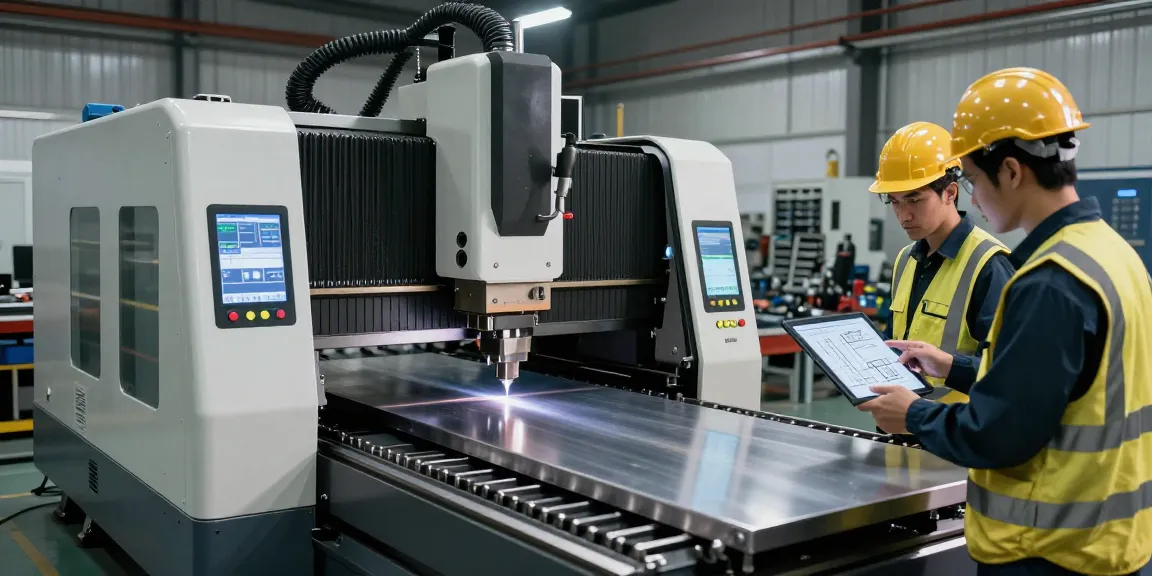
Understanding CNC Press Brake Technology
CNC (Computer Numerical Control) press brakes have revolutionized the metal fabrication industry by providing unmatched precision, efficiency, and versatility. As manufacturers strive to produce complex shapes and high volumes of metal products, the demand for advanced bending technologies has surged. In this comprehensive guide, we will explore the fundamentals of CNC press brakes, highlighting key features, technical innovations, and practical considerations for prospective buyers while addressing trends shaping the future of automated bending solutions. If you’re on the lookout for reliable options, cnc press brake machine for sale can provide valuable insights.
What is a CNC Press Brake Machine?
A CNC press brake is a machine tool that forms metallic sheets and plates by applying force through a punch and die system. Unlike traditional mechanical or hydraulic presses, CNC machines leverage computer control to precisely position and manipulate the bending process. This automation allows operators to accomplish intricate bends with consistent quality across various materials, such as steel, aluminum, and titanium. Typically, these machines can perform multiple bends in a single cycle, maximizing productivity and minimizing waste.
Key Features and Functionality
- Precision Control: CNC press brakes utilize advanced control systems, such as the ESA S630 CNC controller, offering multi-axis control and high-resolution feedback mechanisms.
- Multi-Axis Configurations: Common configurations include 4+1, 6+1, and 8+1 axes, which manage the Y1, Y2, X, R, and optional V axes for table crowning and additional operations.
- Automated Backgauge Systems: Enhanced backgauge systems utilize ball screws and linear guides to ensure accuracy, allowing for easy adjustments and enabling quick changeovers between different projects.
- Cooling Systems: Standard cooling systems help maintain optimal hydraulic fluid temperatures, preventing overheating and ensuring consistent operational stability.
- Safety Features: Equipped with side protection and rear door safety mechanisms, many CNC press brakes are designed with operator safety in mind, incorporating options like light curtain protection.
How CNC Technology Enhances Precision
The integration of CNC technology in press brakes facilitates real-time adjustments during the bending process. This closed-loop control ensures that the Y1 and Y2 axes maintain an accuracy level of ±0.01mm throughout operation. As a result, manufacturers can achieve high-quality bends consistently, reducing the time spent on rework and enhancing overall production efficiency. Furthermore, the software that accompanies CNC machines includes advanced programming functionalities, including graphical programming and collision detection, which streamline the workflow and minimize costly errors.
Choosing the Right CNC Press Brake Machine for Your Needs
When exploring the market for the right CNC press brake, it’s essential to consider several factors that directly impact performance and suitability for your specific applications. The right machine can make a significant difference in operational efficiency and product quality.
Factors to Consider When Buying
- Capacity and Size: Determine the tonnage required to effectively bend your material thicknesses and dimensions. For example, the SC Shenchong WEK series offers machines ranging from 63 tons to 1000 tons, catering to various needs.
- Technical Specifications: Review axis configurations and motor specifications, including maximum stroke lengths and open heights, ensuring they meet your production requirements.
- Support and Maintenance: Investigate the manufacturer’s support structure, including warranties, maintenance plans, and availability of replacement parts, which can greatly affect long-term operational reliability.
Comparing Different CNC Models
It’s crucial to compare different CNC press brake models based on their specifications, features, and price points. The market is flooded with options, from standard models like the WEK series to more specialized units such as hybrid servo and robotic press brakes designed for enhanced automation. Understanding their unique capabilities will help to align the technology with your specific production goals.
Understanding Maintenance and Support Options
Regular maintenance of CNC press brakes is essential to maintaining their performance and lifespan. Look for manufacturers that provide comprehensive after-sales support and service plans. Many top-tier brands, such as SC SHENCHONG, offer support packages that ensure timely repairs and machine upgrades as technology evolves. This proactive approach can save manufacturers from costly downtimes in the future.
Applications of CNC Press Brake Machines in Manufacturing
CNC press brakes play a vital role in an array of industries, facilitating the production of components essential in numerous applications. The accuracy and reliability of these machines make them indispensable to manufacturers worldwide.
Industries That Benefit from CNC Press Brakes
- Aerospace: CNC press brakes are instrumental in manufacturing aircraft structural components where precision is paramount.
- Automotive: In the automotive industry, these machines efficiently produce high volumes of parts with exact specifications.
- Construction: Construction firms utilize CNC technology for creating metal structures that require precise bending and strong functionality.
- Electronics: The electronics sector benefits from CNC press brakes for creating intricate and lightweight metal housings.
Case Study: Successful Implementations
Several manufacturers have successfully integrated CNC press brakes into their production lines, witnessing significant improvements in both efficiency and product quality. For instance, automotive component manufacturers have reported reductions in waste by 30% after upgrading to a CNC press brake system that allows for complex vertex configurations with real-time error correction.
Future Trends in CNC Press Brake Applications
As the industry moves towards more complex and automated solutions, the future of CNC press brakes lies in enhanced connectivity and intelligence. The adoption of Industry 4.0 principles means that CNC machines will integrate with IoT (Internet of Things) technologies to facilitate data sharing and machine learning. This connectivity will enhance predictive maintenance capabilities and optimize production processes, potentially consolidating multiple operations into a singular, streamlined workflow.
Benefits of Investing in CNC Press Brake Machines
The advantages of utilizing CNC press brakes extend beyond mere efficiency—these machines represent a significant investment towards higher productivity, precision, and revenue growth.
Increased Efficiency and Productivity
By implementing CNC press brakes, manufacturers experience a remarkable increase in productivity levels due to reduced cycle times and improved material handling. The ability to perform multiple bends in a single setup translates to faster turnaround times on projects, allowing manufacturers to meet demand without compromising quality.
Cost Savings Through Automation
With automation comes significant cost savings as fewer manual operators are required, minimizing labor costs. Moreover, the accuracy offered by CNC technology reduces material waste and rework, leading to overall decreased operational costs.
Enhanced Accuracy and Quality Control
Investing in a CNC press brake ensures a high level of accuracy and consistency, which is vital in manufacturing processes where specifications are stringent. Features like automated tool positioning and real-time monitoring ensure that the production meets required standards without the risk of human error.
Frequently Asked Questions About CNC Press Brake Machines
What should I look for in a CNC press brake?
Focus on the machine’s capacity, precision, and available features, such as multi-axis control and safety mechanisms. It’s also important to consider the manufacturer’s reputation for support and after-sales service.
How much does a CNC press brake typically cost?
Pricing for CNC press brakes can vary widely based on specifications, ranging generally from $20,000 to $45,000 or more depending on features and capabilities.
Are there eco-friendly options available?
Yes, many modern CNC press brakes are designed with energy efficiency in mind. Options such as hybrid servo motors and advanced hydraulic systems reduce energy consumption and support eco-friendly manufacturing practices. SC SHENCHONG offers a range of eco-friendly models, including the WSK Energy Saving CNC press brake.