Understanding the Market for Custom Keychains
The custom merchandise market has experienced significant growth over the past decade, driven by a rising trend in personalised products. Among these, custom keychains have emerged as a popular item due to their practicality and branding potential. With a wide array of materials and designs available, businesses can create unique keychains that resonate with their target audiences, making them an effective tool for marketing and engagement.
Trends in Custom Merchandise
In recent years, there has been a noticeable shift towards personalised and unique items in the custom merchandise landscape. Brands are leveraging technology to create bespoke products that cater to individual customer preferences. This trend is not just limited to keychains; it extends to various product categories, including stickers, pins, and prints. Customisation options allow brands to stand out in a crowded market, making it imperative for businesses to stay ahead of the curve and understand emerging design and material trends.
Target Audience Insights
Understanding the target audience is crucial for crafting successful custom keychain products. Younger demographics often prefer vibrant colours and unique designs, while older customers may favour classic styles and functionality. Additionally, awareness of cultural trends and seasonal preferences can significantly influence design choices. For example, eco-friendly materials are becoming increasingly popular among environmentally conscious consumers, making bamboo or recycled plastics appealing options for keychain production.
Competitive Landscape Analysis
The competitive landscape for custom keychains is robust, with numerous players ranging from large manufacturers to niche artisans. This diversity leads to innovation and variety in product offerings. However, companies must also differentiate themselves through quality, customer service, and unique designs to capture consumer interest. Researching competitors can provide valuable insights into market gaps and emerging opportunities, helping businesses refine their product lines and marketing strategies.
Benefits of Custom Keychains for Brands
Custom keychains offer a multitude of advantages for brands looking to enhance their visibility and customer engagement. They are affordable to produce, versatile in their use, and can be tailored to meet specific marketing goals. Companies can leverage these benefits to create effective promotional items that leave a lasting impression on customers.
Enhancing Brand Recognition
One of the primary advantages of custom keychains is their capacity to enhance brand recognition. When customers carry a branded keychain, they are effectively promoting your business wherever they go. Keychains serve as constant visual reminders of the brand, leading to increased awareness and familiarity. A well-designed keychain can be a conversation starter, further promoting brand visibility through word-of-mouth marketing.
Driving Customer Engagement
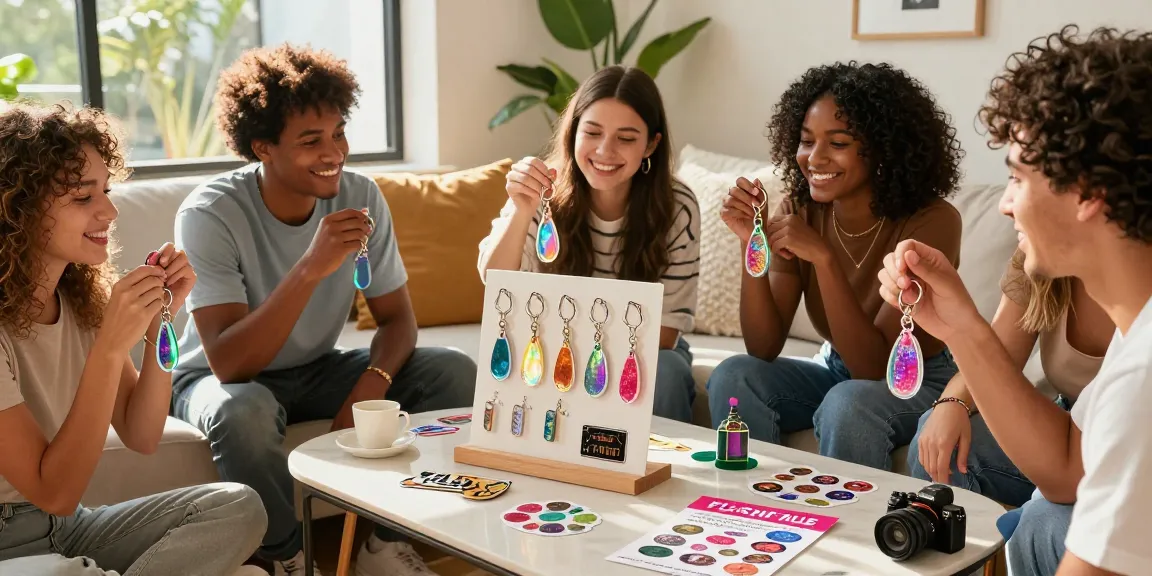
Engaging customers is essential for building brand loyalty, and custom keychains can play an integral role in this process. By offering keychains as rewards for promotions, customer referrals, or loyalty programs, businesses can encourage customers to interact with the brand more frequently. Custom keychains can also be part of user-generated content campaigns, wherein customers share photos of their keychains on social media platforms, creating organic engagement and promoting the brand.
Building Loyalty through Personalisation
Personalisation is a critical driver of customer loyalty in today’s market. Custom keychains can be designed to reflect individual customer preferences, which enhances their sentimental value. Brands that allow customers to personalise their keychains—such as by adding names, favourite colours, or significant dates—create a deeper emotional connection, fostering long-term loyalty and repeat business.
Effective Custom Keychain Design Strategies
Creating effective custom keychains requires a thoughtful approach to design. Companies must consider materials, aesthetics, and personalisation options to ensure their keychains appeal to their target audiences and fulfil marketing objectives.
Material and Aesthetic Considerations
The choice of materials significantly impacts both the look and feel of custom keychains. Options include acrylic, metal, wood, and PVC, each offering distinct benefits. Acrylic keychains, for instance, are lightweight and available in a myriad of colours, while metal keychains provide durability and a premium feel. Additionally, aesthetic design should be aligned with the brand’s image—minimalistic designs may appeal to sophisticated audiences, whereas colourful, playful designs may attract younger consumers.
Design Personalisation Techniques
Personalising designs can significantly enhance the appeal of custom keychains. Techniques such as engraving, offset printing, and embossing can create unique items that stand out. Brands should encourage customers to partake in the design process, allowing them to choose shapes, colours, and imagery that resonate with their personal style and preferences. This level of involvement can increase customer satisfaction and promote brand loyalty.
Utilising Seasonal and Promotional Themes
Leveraging seasonal themes or promotions when designing keychains can create urgency and relevance. For example, holiday-themed keychains can become popular collectibles during festive seasons, while promotional keychains that align with events can drive significant sales. Brands should remain agile, adapting their offerings to reflect current trends and customer interests for maximum impact.
Implementing Custom Keychain Marketing Campaigns
Once the custom keychains are designed, the next step involves effective marketing strategies to ensure they reach the target audience. A well-rounded marketing approach will amplify awareness and drive sales.
Leveraging Social Media for Promotion
Social media platforms provide a powerful avenue for promoting custom keychains. Brands can showcase their unique designs through engaging visuals and videos, capturing the attention of potential customers. User-generated content, where customers post pictures of their keychains, can also be encouraged through contests or hashtags, further amplifying the brand’s reach and engagement.
Collaborations and Partnerships with Influencers
Partnering with influencers who align with the brand can enhance credibility and visibility. Influencers can showcase custom keychains to their followers, generating interest and potential sales. Collaborations should be authentic, ensuring that the influencer’s audience finds genuine value in the keychains being promoted.
Utilising Limited-Time Offers and Discounts
Creating a sense of urgency through limited-time offers on custom keychains can drive quick sales. Promotions such as ‘buy one, get one free’ or discounts for first-time customers can entice consumers to make a purchase. Seasonal sales or holiday promotions can further incentivise customers to buy, capitalising on the festive shopping rush.
Measuring Success and Future Trends
To ensure the effectiveness of custom keychains as a marketing tool, brands must establish metrics to measure success. Key performance indicators (KPIs) can provide insights into the effectiveness of various strategies and help refine future efforts.
Key Performance Indicators for Custom Keychains
Essential KPIs for assessing the success of custom keychain campaigns include sales volume, customer engagement rates, and social media reach. Tracking these metrics can help brands identify which designs and marketing strategies resonate most with their audience, allowing for data-driven decisions regarding future campaigns.
Predicted Trends by 2026
Looking ahead to 2026, the demand for eco-friendly and sustainable custom keychains is expected to rise. As consumers become increasingly environmentally conscious, brands should consider sourcing sustainable materials and implementing eco-friendly production practices. Additionally, advancements in technology may enable even greater personalisation options, allowing customers to create uniquely designed keychains that cater to their individual preferences.
Innovation in Customisation Technologies
Future advancements in customisation technologies will likely transform the way products are created and marketed. Techniques such as 3D printing could revolutionise production processes, enabling faster turnarounds and more intricate designs. Brands must stay informed about these technological innovations to leverage them effectively in their custom keychain offerings.
What are the most popular types of custom keychains?
Popular types of custom keychains include acrylic keychains, metal keychains, and PVC keychains, each offering unique aesthetic and functional appeal. Acrylic designs are valued for their versatility, while metal options are preferred for durability.
How do custom keychains enhance brand visibility?
Custom keychains enhance brand visibility by serving as portable advertisements. When customers use branded keychains, they promote the brand to their peers, increasing exposure and recognition.
What materials are best for custom keychains?
The best materials for custom keychains depend on the intended use and target audience. Acrylic, metal, and wood are all popular choices, each with particular advantages regarding durability and design flexibility.
How can I market my custom keychains effectively?
Effective marketing strategies for custom keychains include leveraging social media, collaborating with influencers, and implementing limited-time promotions that incentivise customer purchases.
What future trends should I watch for in the custom merchandise industry?
Future trends in the custom merchandise industry include a shift towards sustainable products, enhanced personalisation options, and the integration of advanced technologies such as 3D printing.